Bipartisan Congressional Coalition Introduces Legislation to Mandate Warrants for FBI Backdoor Searches of American Communications
A bipartisan coalition of lawmakers in the United States Congress has introduced the Government Surveillance Reform Act of 2026, a sweeping legislative package aimed at reining in the federal government’s expansive electronic surveillance capabilities. The bill arrives just weeks before the April 20 expiration of Section 702 of the Foreign Intelligence Surveillance Act (FISA), setting the stage for a high-stakes confrontation between privacy advocates and the intelligence community. At the heart of the legislation is a requirement that the FBI obtain a judicial warrant before conducting "backdoor searches"—the practice of scouring intercepted foreign intelligence data for the private communications of American citizens.
This legislative effort represents a significant departure from previous surveillance debates. Proponents of the bill, led by Senators Ron Wyden (D-OR) and Mike Lee (R-UT), alongside Representatives Warren Davidson (R-OH) and Zoe Lofgren (D-CA), argue that the rapid evolution of artificial intelligence and the proliferation of commercially available data have rendered existing privacy protections obsolete. By mandating a warrant requirement, the sponsors aim to codify into federal law the findings of a landmark January 2025 ruling in United States v. Hasbajrami, in which a federal court declared that warrantless backdoor searches of the 702 database constitute a violation of the Fourth Amendment.
A Decaying Oversight Infrastructure
The urgency behind the 2026 legislative push is driven by the systematic dismantling of internal surveillance safeguards over the past two years. During the 2024 reauthorization of Section 702, the FBI successfully argued against a warrant requirement by highlighting its improved compliance rates. At that time, the bureau’s internal auditing mechanisms had successfully reduced the number of improper queries of American data from over 119,000 in 2022 to 5,518 in 2024.
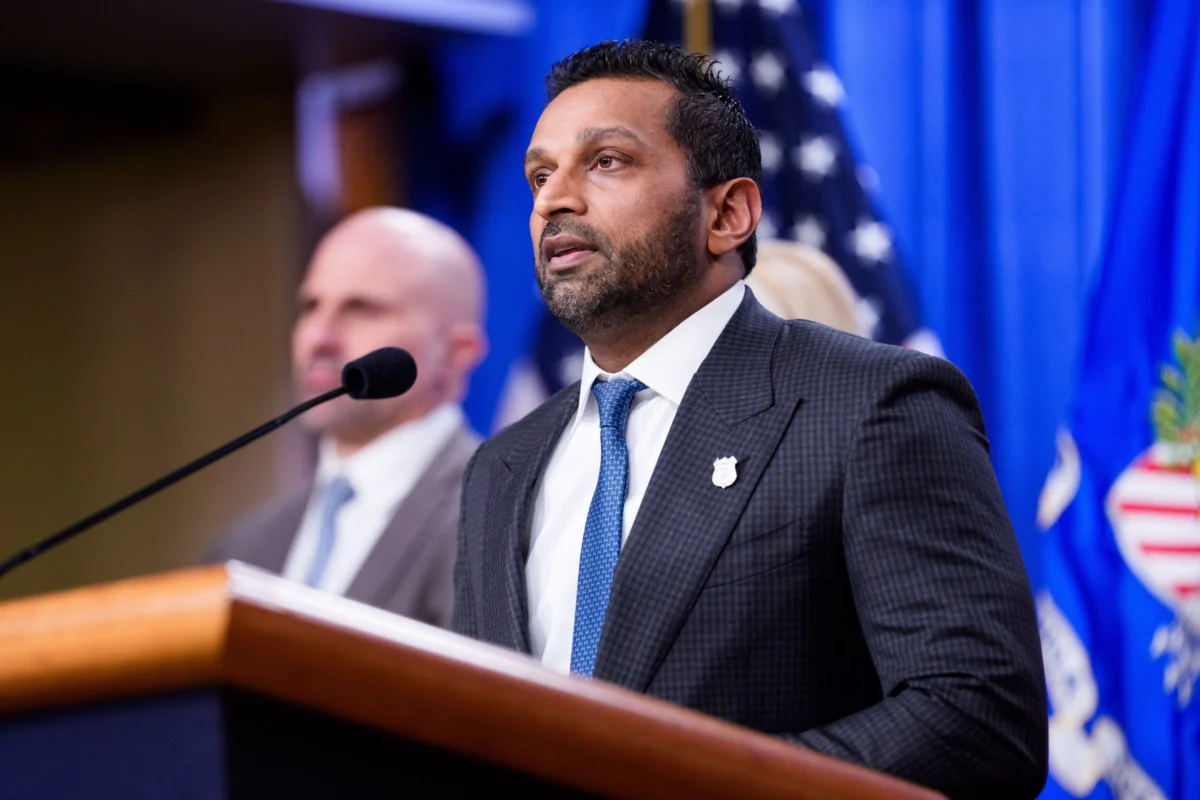
However, the landscape changed abruptly under the current administration. In May 2025, FBI Director Kash Patel shuttered the Office of Internal Auditing, effectively removing the primary check on domestic queries. This move was compounded by broader administrative actions within the intelligence community, including the mass termination of various inspectors general and the functional incapacitation of the Privacy and Civil Liberties Oversight Board (PCLOB).
These developments have led to a climate where internal watchdogs are largely absent. Furthermore, the Office of the Director of National Intelligence, currently led by Tulsi Gabbard, has faced intense scrutiny following a whistleblower complaint alleging that NSA intercepts were shared with the White House for political purposes—a charge that, if substantiated, would represent a profound abuse of intelligence authorities.
The Evolution of the Surveillance State
The current debate is rooted in the expansion of Section 702, which was originally intended to authorize the collection of communications from non-US persons located abroad. Over the last decade, however, the program has been criticized for "mission creep," as the government increasingly utilizes the collected data to investigate domestic issues.
The trajectory of this expansion can be traced through several key milestones:
- 2024: Congress renewed Section 702 for a shortened two-year term, intentionally setting a "sunset" date for 2026 to force a re-evaluation of the program.
- January 2025: A federal judge rules in United States v. Hasbajrami that warrantless searches for U.S. person data within the 702 database are unconstitutional.
- May 2025: The FBI terminates its Office of Internal Auditing, reversing previous commitments to transparency.
- February 2026: Border Patrol gains access to Clearview AI’s facial recognition database, signaling a shift toward using military-grade surveillance tools for domestic enforcement.
Beyond FISA, the bill seeks to address the government’s reliance on "parallel authorities." Federal agencies have increasingly bypassed Fourth Amendment protections by purchasing personal data from commercial brokers. This practice includes the procurement of real-time location data, web browsing history, and vehicle telematics. Recent disclosures indicate that federal agencies have signed tens of millions of dollars in contracts with data brokers like Thomson Reuters and LexisNexis, effectively outsourcing the collection of information that would otherwise require a warrant.
Official Responses and Political Dissonance
The White House has remained steadfast in its opposition to the reform bill. The administration is currently advocating for a "clean" reauthorization of Section 702, arguing that the program is a vital tool for national security, particularly in light of heightened tensions with Iran. This position is supported by prominent congressional allies, including Senator Tom Cotton (R-AR), who contend that any restriction on the FBI’s ability to conduct queries could create a "blind spot" in the nation’s defense.
Conversely, the bipartisan coalition behind the Government Surveillance Reform Act emphasizes that the "worst-case scenarios" predicted by critics during the 2024 debate have become reality. Representative Lofgren noted in a statement that the current lack of safeguards directly threatens the stability of American democracy.
The political dynamics of the vote remain complex. The bill creates a unique form of cognitive dissonance for both parties. Some Republicans, typically supportive of law enforcement, find themselves at odds with an administration that has used these same surveillance tools to target domestic political groups and media figures. Similarly, some Democrats who have historically supported intelligence reauthorizations are now under intense pressure from their base to oppose the program due to concerns over how the Trump administration utilizes the data.
Implications for Privacy and Law
If passed, the Government Surveillance Reform Act would represent the most significant overhaul of federal surveillance law in nearly 50 years. The bill’s core components include:
- Warrant Mandate: Requiring the FBI to obtain a court order before searching 702-collected data for U.S. persons.
- Prohibition of Reverse Targeting: Explicitly banning the practice of surveilling foreign nationals specifically to gain information on Americans.
- Data Broker Restrictions: Closing the "loophole" that allows federal agencies to purchase information from commercial brokers to circumvent the Fourth Amendment.
- Modernization of Privacy: Extending warrant protections to cover emerging technologies, including AI-driven search queries and automotive telematics.
The success of the bill depends on whether reformers can secure a 60-vote majority in the Senate, a threshold made more difficult by the administration’s reliance on national security rhetoric. As the April 20 sunset date approaches, the debate serves as a litmus test for the legislative branch’s willingness to reassert control over the intelligence apparatus.
Analysis: The Constitutional Conflict
The constitutional conflict inherent in this debate centers on the interpretation of "incidental" collection. The government maintains that because the primary purpose of the collection is foreign intelligence, the Fourth Amendment protections afforded to citizens should be lowered. However, privacy scholars argue that when the volume of incidental collection reaches the scale of millions of communications per year, the distinction between "foreign intelligence" and "domestic surveillance" becomes functionally meaningless.
The Hasbajrami ruling provided the legal ammunition that reformers lacked in 2024. By establishing that the Constitution does not permit the government to ignore the privacy rights of Americans simply because their data was captured alongside foreign targets, the judiciary has effectively invited Congress to define the boundaries of digital privacy in the 21st century.
As the vote looms, the outcome will define the future of the American surveillance state. Whether the intelligence community can maintain its current level of access, or whether the legislative branch will succeed in imposing constitutional limits, remains the central question of the current session. The bipartisan nature of the coalition suggests a growing consensus that the status quo is unsustainable, yet the power of the national security argument in the Senate ensures that the final result remains highly uncertain. Regardless of the outcome, the introduction of this bill marks a definitive end to the period of unchecked growth for federal digital surveillance.

Related Posts

Iranian Cyber Proxy Handala Escalates Conflict with Major Breach of US Medical Technology Firm Stryker

DHS Officials Ousted After Resisting Secretive Policies to Withhold Surveillance Records