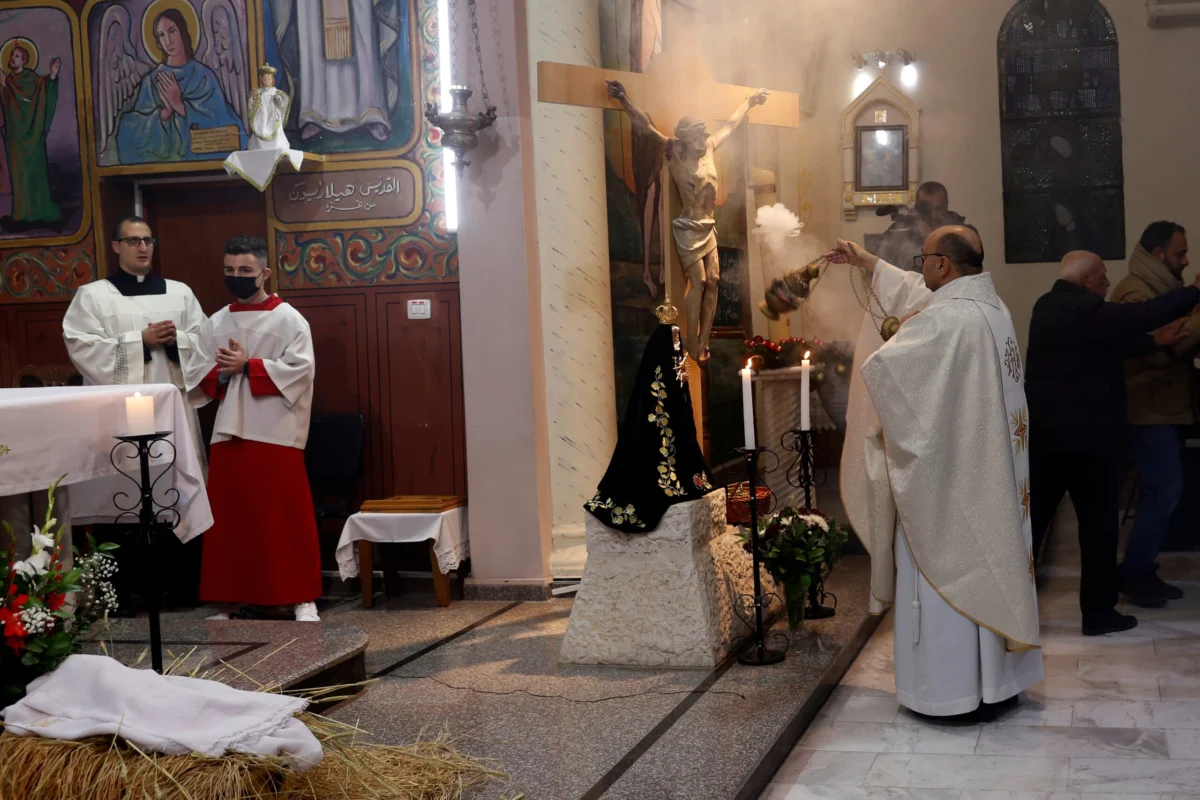
Argentina Confirms Official Holiday Schedule for Semana Santa 2026, Aligning with National Commemorations and Tourism Strategy
The Jefatura de Gabinete de Ministros of Argentina has officially promulgated the holiday schedule for Semana Santa 2026, as detailed in Resolution 164/2025, published in the Boletín Oficial. This administrative decree, in conjunction with Law 27.399, establishes the framework for national observances and rest days, providing a crucial planning tool for citizens and industries across the country. The announcement clarifies the specific dates for the significant Catholic observance, ensuring clarity and facilitating logistical arrangements for both public and private sectors.
Semana Santa 2026: A Detailed Chronology of Observance and National Holidays
The religious commemoration of Semana Santa, or Holy Week, in 2026 will span from Sunday, March 29th, to Sunday, April 5th. This period is deeply significant within the Catholic tradition, commemorating the Passion, Death, and Resurrection of Jesus Christ. The dating of Semana Santa is intrinsically linked to the lunar calendar, a practice rooted in ancient Jewish tradition. Specifically, the observance commences on the first Sunday following the first full moon after the autumnal equinox in the Southern Hemisphere. This astronomical calculation ensures that the timing of Easter, and consequently Holy Week, varies annually, creating a dynamic rhythm within the liturgical calendar.
While the entire week is a period of solemn reflection for many, not all days are designated as national holidays. The primary day of official observance within the administrative framework is Viernes Santo (Good Friday), which will fall on April 3rd, 2026. However, the confluence of significant national events in 2026 creates an extended period of cessation of activities. Notably, Thursday, April 2nd, 2026, coincides with the Día del Veterano y de los Caídos en la Guerra de Malvinas (Day of the Veterans and Fallen of the Malvinas War). This day is a national, immovable holiday, honoring the sacrifices made by Argentine servicemen and women during the 1982 conflict.
The designation of Viernes Santo as a national holiday, coupled with the pre-existing national holiday on April 2nd, results in a significant four-day consecutive period of inactivity for much of the public administration and a substantial portion of the private sector. This extended weekend is anticipated to have notable implications for various economic and social sectors.
Strategic Holiday Planning: Mitigating Seasonality and Boosting Domestic Consumption
The establishment of a structured holiday calendar, as outlined by the Jefatura de Gabinete de Ministros, extends beyond the immediate observance of Semana Santa. The decree aims to strategically distribute public holidays throughout the year to mitigate the adverse effects of economic seasonality, particularly within the vital tourism sector. This policy is enacted under the authority granted by Decree 614 of August 2025, which empowers the relevant ministry to act as the implementing authority for such measures.
The underlying objective of these strategically placed holidays is to foster longer periods of leisure and travel, thereby stimulating domestic consumption and supporting regional economies. The approach prioritizes designating holidays on Mondays or Fridays, thereby creating three-day weekends. This practice is believed to provide individuals with more substantial opportunities for travel, recreation, and family activities, leading to increased expenditure on accommodation, transportation, food, and other tourism-related services.
For 2026, several such long-weekend formations are noteworthy:
- March 23rd (Monday): This date has been designated as a holiday, creating a four-day weekend by connecting with the national holiday on March 24th, commemorating the Día Nacional de la Memoria por la Verdad y la Justicia (National Day for Memory for Truth and Justice). This extended period allows for significant travel and reflection opportunities.
- July 10th (Friday): This holiday bridges the gap to the national holiday on July 9th, Día de la Independencia (Independence Day), resulting in another four-day break. This timing is particularly advantageous for mid-year travel and cultural activities.
- December 7th (Monday): This holiday precedes the national holiday on December 8th, Día de la Inmaculada Concepción de María (Feast of the Immaculate Conception of Mary), thus forming a four-day weekend at the end of the year. This period is often utilized for early holiday preparations, family gatherings, and short getaways before the Christmas and New Year festivities.
These strategically placed holidays are not merely arbitrary days off; they are part of a deliberate economic policy aimed at smoothing out peaks and troughs in consumer spending and economic activity. By creating predictable and extended periods of leisure, the government seeks to encourage a more consistent flow of domestic tourism and related expenditures throughout the year, thereby fostering more stable economic growth.
Theological Significance: A Deeper Look into Holy Week Observances
Beyond its designation as a public holiday, Semana Santa holds profound theological and spiritual significance for Christians worldwide. Each day of Holy Week recounts pivotal moments in the final week of Jesus Christ’s earthly ministry, offering a rich narrative of faith, sacrifice, and redemption.
- Domingo de Ramos (Palm Sunday): This day commemorates Jesus’ triumphant entry into Jerusalem. As he rode into the city, crowds lined the streets, waving palm branches and laying them before him, hailing him as a king. This event symbolizes Jesus’ acceptance of his messianic destiny, albeit one that would lead to suffering rather than earthly power.
- Lunes Santo (Holy Monday): Often referred to as "Maundy Monday," this day recalls Jesus’ assertion of his authority and his actions in the Temple. It is a day that highlights his divine power and his challenging of the religious establishment of his time.
- Martes Santo (Holy Tuesday): Known as the "Tuesday of Controversy," this day is marked by Jesus’ encounters and debates with the religious leaders and authorities who sought to trap him. These confrontations underscore the growing tension and opposition he faced.
- Miércoles Santo (Holy Wednesday): This day is often associated with the betrayal of Jesus by Judas Iscariot. It is the day when Judas made his pact with the chief priests to betray Jesus for thirty pieces of silver, setting in motion the events of the coming days.
- Jueves Santo (Maundy Thursday): This day is central to Christian liturgy, commemorating the Last Supper, Jesus’ final meal with his disciples. During this meal, Jesus instituted the Eucharist, or Holy Communion, by breaking bread and sharing wine, symbolizing his body and blood. It is also the day of Jesus’ arrest in the Garden of Gethsemane.
- Viernes Santo (Good Friday): This is the most solemn day of Holy Week, marking the crucifixion and death of Jesus Christ. Christians observe this day with fasting, prayer, and solemn services, often including the reenactment of the Stations of the Cross (Viacrucis), to meditate on Jesus’ suffering and sacrifice for the sins of humanity.
- Sábado de Gloria (Holy Saturday): This day is a time of quiet anticipation and reflection. It is dedicated to the Virgin Mary and the hope of Jesus’ resurrection. The vigil services often begin late on Saturday night, transitioning into Easter Sunday.
- Domingo de Pascua (Easter Sunday): The culmination of Holy Week and the Christian liturgical year, Easter Sunday celebrates the resurrection of Jesus Christ from the dead. This event is considered the cornerstone of Christian faith, signifying victory over sin and death and offering the promise of eternal life. ACI Prensa describes this day as the most significant festival for the Christian world due to the appearances of Jesus to his apostles following his resurrection.
Economic Implications and Industry Perspectives
The official confirmation of the holiday schedule for Semana Santa 2026 and the strategically placed long weekends is met with keen interest from various sectors of the Argentine economy, particularly tourism and hospitality. The tourism industry, often vulnerable to the impacts of seasonality, views these extended breaks as vital opportunities for revenue generation and job creation. Industry associations have consistently advocated for such measures, recognizing their potential to stimulate domestic travel and reduce the reliance on international tourism, which can be subject to global economic fluctuations.
Manuel Adorni, spokesperson for the national government, has previously indicated that such policies are designed to "mitigate the negative effects of seasonality on the tourism sector." This approach suggests a broader governmental strategy to leverage public holidays as economic instruments, aiming to foster more consistent economic activity throughout the year.
For employers, the distinction between national holidays and non-working days is crucial. While national holidays are generally observed by the public administration and many private businesses, the designation of certain days as "non-laborables" (non-working days) can offer employers more discretion. In such cases, employers may decide whether their personnel will render services, often with specific considerations for compensation. The current decree aims to provide clarity and predictability, enabling businesses to plan operations and staffing effectively.
The consistent application of a predictable holiday calendar also aids in long-term planning for businesses that depend on travel and leisure. Airlines, bus companies, hotels, and tour operators can better forecast demand and allocate resources when official holiday periods are announced well in advance. This predictability is essential for investment and operational efficiency within these industries.
Broader Context: National Identity and Cultural Observance
The official recognition and structuring of holidays like Semana Santa in Argentina reflect a broader societal commitment to both religious and national commemorations. The intertwining of religious observances with national holidays, such as the juxtaposition of Good Friday with the Day of the Veterans of the Malvinas War, highlights the complex tapestry of Argentine identity. These periods offer opportunities for collective reflection, remembrance, and the reinforcement of shared values and historical narratives.
The inclusion of holidays that align with significant historical events, such as the Día Nacional de la Memoria por la Verdad y la Justicia, underscores the government’s role in facilitating national dialogue and remembrance. By providing official time for these commemorations, the state encourages widespread participation and reinforces their importance in the national consciousness.
In conclusion, the official promulgation of the Semana Santa 2026 holiday schedule by the Jefatura de Gabinete de Ministros marks a significant administrative and economic development for Argentina. The decree not only clarifies the dates for this important religious observance but also integrates it into a broader strategy of economic management aimed at mitigating seasonality, boosting domestic consumption, and supporting key industries like tourism. The carefully planned distribution of long weekends throughout the year reflects a deliberate effort to stimulate economic activity and provide citizens with valuable opportunities for rest, recreation, and reflection, while simultaneously honoring significant religious and national commemorations.

Related Posts

Train Dreams Earns Oscar Nomination for Best Picture

The Memo Found on Mauricio Novelli’s Phone: A Potential Key to the $LIBRA Crypto Scandal