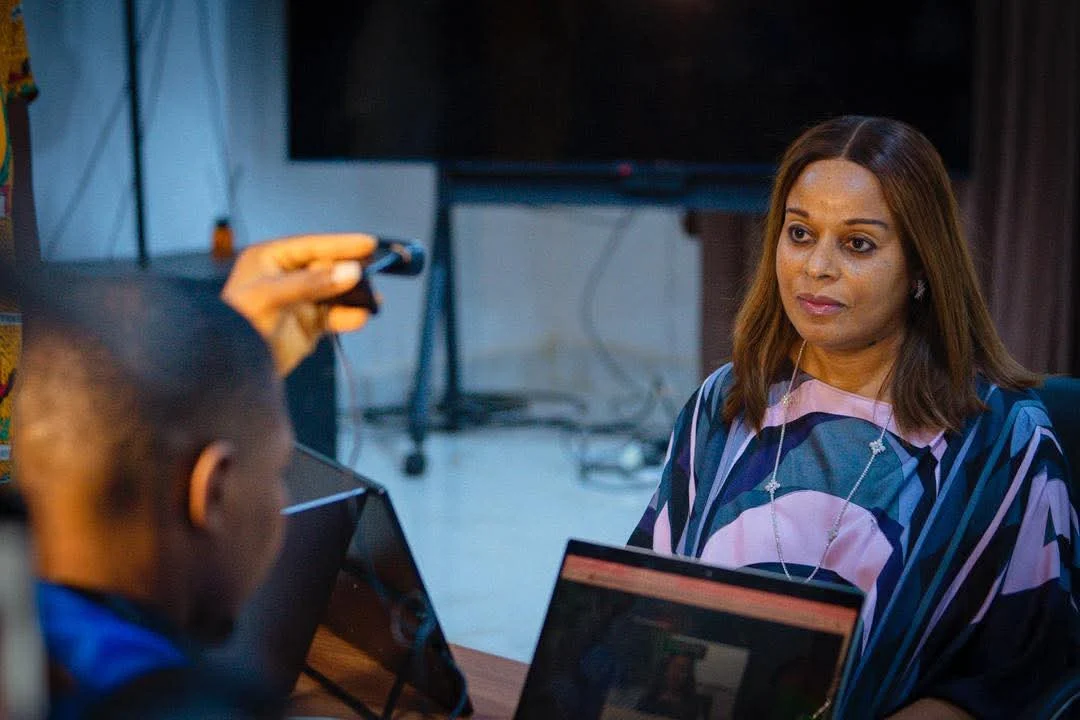
Anambra First Lady Nonye Soludo Celebrates Divine Significance of Motherhood on World Mothering Sunday
The First Lady of Anambra State, Nonye Soludo, has joined the global community in marking Mothering Sunday, delivering a poignant message that frames motherhood not merely as a biological role, but as a “divine responsibility” of immeasurable value. As nations across the world paused to honor the maternal figures who form the bedrock of societal structure, Mrs. Soludo emphasized that the sacrifices, resilience, and unconditional love inherent in the role transcend material quantification. Her remarks come at a time when the state government is increasingly prioritizing maternal health and child welfare through various public health initiatives.
The commemoration, which took place this past Sunday, serves as a focal point for families to express gratitude for the foundational work performed by mothers. Mrs. Soludo, who has consistently used her platform to advocate for healthier living standards, noted that the celebration is an opportunity to acknowledge the "extraordinary courage" that defines the maternal experience.
The Historical and Religious Context of Mothering Sunday
While often conflated with International Women’s Day or various regional Mother’s Day celebrations, Mothering Sunday possesses a distinct ecclesiastical origin. Observed annually on the fourth Sunday of the Lenten season, the day has deep roots in the United Kingdom and Ireland. Historically, it was a day when individuals would return to their "mother church"—the primary church in their district or the site of their baptism—to offer prayers and participate in liturgical services.
Over the centuries, the tradition evolved from a religious pilgrimage into a secularized day of family reunion and appreciation. In the modern context, especially within Nigeria, the day is marked by church services, community gatherings, and the presentation of gifts, symbolizing the respect society owes to those who nurture the next generation. For the Anambra First Lady, the day serves as a reminder that the spiritual dimension of motherhood remains as relevant today as it was in historical religious traditions.
Maternal Health and Advocacy: The Role of Healthy Living with Nonye Soludo
Mrs. Soludo’s commentary on the sanctity of motherhood is deeply intertwined with her professional mandate as the founder of the “Healthy Living with Nonye Soludo” initiative. This program, which has become a hallmark of her tenure, focuses on the intersection of public health, nutrition, and maternal well-being. By linking the celebration of mothers to the necessity of their health, she underscores a pragmatic reality: the stability of the family unit is directly dependent on the physical and mental health of the mother.
Public health data supports the urgency of this advocacy. In Nigeria, maternal mortality remains a significant concern, with the World Health Organization (WHO) and other global health bodies frequently citing the need for improved prenatal and postnatal care. The “Healthy Living” initiative acts as a local intervention, promoting nutritional education, hygiene, and regular medical check-ups for mothers across Anambra’s diverse communities. By elevating the discourse around motherhood, Mrs. Soludo is effectively leveraging social capital to drive public health policy, ensuring that the "divine responsibility" she speaks of is supported by tangible infrastructure and community resources.
Economic and Social Implications of Maternal Support
The economic contribution of mothers is often relegated to the informal sector, yet it constitutes the backbone of the household economy. Sociologists frequently note that the unpaid labor performed by mothers—ranging from child-rearing to household management and community volunteerism—accounts for a significant portion of a nation’s human capital development.
When a First Lady underscores that motherhood "cannot be measured in material terms," she is addressing a broader socio-economic truth: the social stability of a state is intrinsically linked to the well-being of its mothers. If mothers are supported through health, education, and economic empowerment programs, the long-term outcomes for children—and by extension, the future workforce—are significantly improved. This perspective shifts the narrative from viewing maternal welfare as a charitable endeavor to recognizing it as a strategic investment in the future of the state.
Official Responses and Public Sentiment
The message from the First Lady has resonated across social and political spheres in Anambra State. Community leaders and local government officials have echoed her sentiments, acknowledging that the progress of the state is mirrored in the success of its families. Reactions from civil society organizations have also been largely positive, with many groups noting that her focus on "presence and prayers" alongside "sacrifices" provides a balanced view of the modern mother’s reality.

In government circles, there is an unspoken consensus that initiatives like the one led by Mrs. Soludo help to bridge the gap between administrative policy and grassroots experience. By visiting communities and interacting directly with mothers, the First Lady’s office gathers anecdotal data that informs policy adjustments in sectors ranging from primary education to rural healthcare.
A Chronology of Advocacy and Engagement
The trajectory of Mrs. Soludo’s engagement with the public has been consistent since the inception of her husband’s administration. Key milestones in her advocacy include:
- Initial Launch of Healthy Living Initiative: Establishing a platform to combat malnutrition and promote hygiene.
- Community Sensitization Tours: Regular visits to local government areas to assess the needs of rural mothers.
- Educational Support Programs: Implementation of initiatives aimed at reducing the burden of school fees and providing materials for children of vulnerable mothers.
- Commemorative Engagements: Utilizing high-profile days, such as Mothering Sunday, to reinforce the message of maternal dignity and the necessity of state-level support.
Each of these steps demonstrates a systematic approach to addressing the challenges faced by women in the state. By maintaining a presence at both high-level governance meetings and local community outreach events, she has carved out a role that balances traditional expectations of a First Lady with the demands of a modern policy advocate.
Challenges and Future Outlook
Despite the celebratory nature of Mothering Sunday, the realities facing mothers in Nigeria are complex. High inflation rates, challenges in accessing quality healthcare, and the pressures of managing households in an increasingly volatile economic environment pose significant hurdles.
Analysts suggest that for the praise directed at mothers to result in meaningful change, it must be accompanied by sustainable government policies. This includes:
- Strengthening Primary Healthcare: Expanding the reach of clinics to ensure that every mother, regardless of location, has access to basic prenatal and postnatal services.
- Educational Initiatives: Providing vocational training for mothers, which allows them to contribute financially to their households while maintaining their caregiving responsibilities.
- Social Safety Nets: Developing frameworks to assist single mothers and widows, who are often the most vulnerable segments of the population.
Mrs. Soludo’s call to "take your flowers" is a symbolic gesture of appreciation, but the infrastructure she is building through her health initiatives suggests a move toward long-term support. The challenge remains to scale these efforts so that the "saints we see"—as she referred to mothers—are provided with the environment necessary to thrive rather than merely survive.
Conclusion: The Enduring Legacy of Maternal Care
As the celebrations of Mothering Sunday conclude, the discourse shifts toward the continuity of the values highlighted by the First Lady. The emphasis on "love, presence, and prayers" as the greatest gifts underscores a shift in perspective—from purely material support to the emotional and spiritual anchoring that mothers provide to the community.
The challenge for the coming year will be to translate the sentiments expressed on this day into a sustained momentum for policy change. If the government of Anambra State continues to prioritize the health and education of its citizens, with a specific focus on the mothers who raise them, the state is likely to see a measurable improvement in its human development indices.
Ultimately, Nonye Soludo’s message serves as a reminder that the strength of a nation is not merely in its architecture or its economy, but in the resilience of its families. By honoring the "divine responsibility" of mothers, the state is affirming its commitment to the very people who ensure that the next generation is prepared to inherit the future. The conversation started this Sunday is far from over; it is a foundation upon which the state hopes to build a more secure, healthy, and prosperous society for all its citizens.

Related Posts

Chief of Army Staff Lt Gen Waidi Shaibu Champions Troop Welfare and National Unity Amid Ongoing Security Operations During Ramadan and Lenten Seasons

Veteran Nollywood actor Femi Durojaiye addresses critical mentorship gap in the Nigerian film industry